
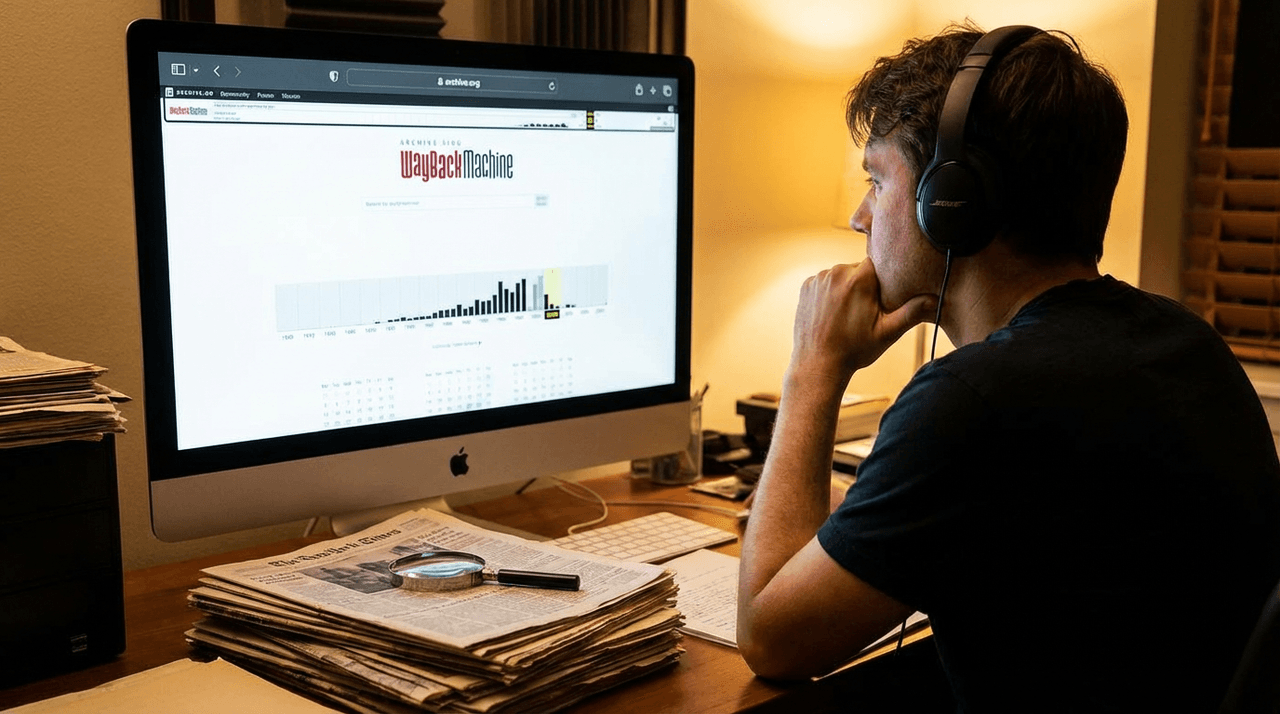


Imagine finding a lost website from the early days of the internet, a digital relic preserving a moment in time. The Wayback Machine serves as a time capsule, allowing us to explore the vast landscape of online history. Whether you're a tech enthusiast or a history buff, the Wayback Machine is a treasure trove waiting to be explored.
The Origins of the Wayback Machine
The Wayback Machine is a fascinating tool that launched in 2001. Established by the Internet Archive, it has set out on an ambitious mission. The primary aim? To build a comprehensive digital library of Internet sites and cultural artifacts. Imagine having the power to look back at the Internet as it was in days gone by.
What is the Wayback Machine?
Think of the Wayback Machine as a time capsule for the web. It allows you to access archived versions of web pages. This initiative has now preserved over 866 billion web pages. Can you fathom the sheer volume of information stored? The tool provides a rare glimpse into our digital past.
The Purpose Behind Its Creation
Launched as part of a larger initiative, the Wayback Machine focuses on archiving cultural artifacts and is rooted in the non-profit sector. The Internet Archive operates under 501(c)(3) status, emphasizing its dedication to preserving history. This is significant, as the organization aims to support future generations by providing access to historical web content.
- Established by the Internet Archive in 2001
- Aims to create a digital library of Internet sites
- Provides access to over 866 billion web pages
Why It Matters
Why should you care about this digital archive? In a world where information can change in a heartbeat, having the ability to reference past versions of sites is essential. Whether you're a researcher, a student, or just curious, the Wayback Machine becomes an invaluable resource.
"The Wayback Machine is a vital link to our digital past." - [Name]
Conclusion
The Wayback Machine serves as an *essential tool* for anyone seeking to understand the evolution of the web. Its immense archive not only tracks the growth of various online platforms but also captures the way our digital interactions have shifted over time. With such a rich resource at your fingertips, why not explore its vast collections today?
Exploring the Features of the Wayback Machine
The Wayback Machine is a powerful tool that allows you to access the past. Have you ever wanted to see how a website looked years ago? With this tool, you can. Here are some key features that stand out:
1. Capture Web Pages for Future Reference
One of the most valuable features of the Wayback Machine is the ability to capture web pages exactly as they appear now. This means you can take a "snapshot" of a page and store it for later.
Why is this useful? It provides you with a trusted citation for future use. Imagine needing to reference a resource that has since changed or disappeared. With the Wayback Machine, it’s as if you have a time capsule of that content.
2. Search History of Websites
Do you remember visiting a site that has completely transformed its layout? The Wayback Machine keeps a record of these changes. You can explore the history of any website by entering its URL. This feature opens up a treasure trove of information, making it essential for researchers and curious minds alike.
3. Browse through Archived Snapshots
Have you ever stumbled across an old article or a unique web page? The Wayback Machine lets you browse through archived snapshots of millions of web pages. You can access historical data at your fingertips. Navigate through different years and discover a website as it once was. This feature is a vital resource for historians and anyone interested in digital culture.
"Accessing past web pages allows us to study changes in culture and technology." - [Name]
Why It's Important
Understanding the evolution of information online is crucial. The Wayback Machine makes it easier to do just that. With its user-friendly interface, you can easily navigate past versions of websites. It's not just for nostalgia. This is a tool that serves valuable purposes, especially in research.
In conclusion, the Wayback Machine is not just a novelty. It's a crucial part of our digital history, making it indispensable for those looking to explore the Internet’s past.
The Importance of Digital Preservation
In our modern world, digital preservation is more crucial than ever. As we increasingly rely on online platforms for information, we risk losing significant cultural and historical artifacts. Imagine if all the photos from your childhood were lost because somebody forgot to back them up. Terrifying, right?
Preserving Cultural and Historical Artifacts
Digital preservation helps to protect these artifacts. It ensures that valuable resources, like old websites and documents, remain accessible for future generations. You can think of it as a digital time capsule. Websites like the Wayback Machine play a key role in this. They allow you to explore the internet's history, preserving it for everyone.
- Digital preservation captures an entire web page as it appeared at a specific moment.
- This initiative supports ongoing access to valuable resources.
Every time someone uses a digital archive, they are engaging with the past. It helps students, researchers, and the curious discover information that might have been forgotten. This is how we keep history alive!
Protecting Against the Loss of Online Information
Think about it: how often do you rely on online information? Whether you’re looking for news or conducting research for a paper, it’s vital to have a reliable source. Digital preservation protects us against the loss of online information. If a website shuts down, how do we access that valuable content? Without these preservation efforts, many resources may just vanish.
Encouraging Responsible Digital Citizenship
By engaging in digital preservation, you’re contributing to responsible digital citizenship. It encourages you to think critically about the information you consume. Ask yourself: is this information valuable? Can it be lost? You’re not just a consumer; you’re a guardian of digital history. The more we preserve, the better equipped we are to address today's challenges.
"In today’s digital age, preserving our online legacy is more crucial than ever." - [Name]
Consider other projects like Open Library and archive-it.org. These initiatives are focused on gathering and preserving online content so we can learn from our history. You have a role in this mission. By participating in or supporting these efforts, you help build a robust digital future.
Challenges Facing the Wayback Machine
The Wayback Machine is a remarkable tool, but it faces significant challenges. Each challenge can impact how effective this digital archive is for you and other users. Let’s explore some of these obstacles.
1. Website Migrations and Changes
Websites often undergo migrations and redesigns. When this happens, URLs change. This results in broken links and lost content. Have you ever tried to visit an old link, only to find it no longer exists? This is a common issue with the Wayback Machine. As URLs change or entire sites are taken down, accessing historical information becomes difficult.
Moreover, some sites may decide not to permit archiving. They might remove their pages from the Wayback Machine. This makes it hard to capture the entire history of a site. You might find that some valuable content could simply vanish from the archive.
2. Legal Challenges and Copyright Issues
Another significant hurdle is legal challenges. Copyright laws can be confusing and complex. Many creators want to protect their work, and some may argue that archiving their content violates these rights. As a user, this can be frustrating. You might access a page one day, and the next, it's no longer available.
As stated by an expert,
"The challenges of digital preservation are extensive, but the mission remains vital." - [Name]This quote highlights the importance of addressing these issues head-on. Legal battles can greatly restrict what you can access on the Wayback Machine.
3. Technical Limitations in Archiving
The technical side of archiving presents its own set of challenges. The Wayback Machine relies on ongoing technology to capture and store web pages. The use of advanced systems is essential for successful archiving. However, not all sites can be archived properly. Certain elements, like video or complex scripts, might not get saved accurately.
- The limitations include:
- Inability to capture dynamic content.
- Struggles with certain website formats.
- Data storage constraints, limiting the number of archived pages.
Ultimately, you need to understand that the Wayback Machine, while invaluable, is not infallible. Some content may disappear due to changing URLs or removal from the archive, which can be disheartening for users seeking information.
Your use of the Wayback Machine is subject to the Internet Archive's Terms of Use. Knowing what you can and cannot achieve with this tool is crucial in maximizing its potential.
How You Can Contribute to Digital Archiving
The digital age has revolutionized how we access and preserve information. Yet, many online resources are at risk of disappearing. So, how can you help? Contributing to digital archiving is crucial. Here are some ways you can make a difference.
1. Support the Internet Archive Through Donations
Donations are the lifeblood of the Internet Archive. By supporting this non-profit organization, you help maintain a vast collection of digital resources. Imagine a library where every book is only a click away. Your financial support ensures that this library continues to grow. Every contribution adds to the efforts to preserve our digital heritage, making valuable resources accessible for future generations.
2. Participate in Archiving Projects
You don’t have to be a tech wizard to get involved. There are various projects you can join. Whether you volunteer your time or apply your skills, your involvement counts. For example, consider using archiving tools like the Wayback Machine to capture web pages that matter to you. Each page you save is a snapshot of digital history.
3. Encourage Others to Preserve Online Content
Spread the word! Talk to friends, family, and colleagues about the importance of digital archiving. You could even organize workshops. Discuss what it means to preserve cultural artifacts in digital form. Sharing knowledge can inspire others to action. Wouldn’t it be great if digital preservation became a community effort?
"Every contribution helps safeguard our digital heritage." - [Name]
The Collective Power of Community Involvement
Community involvement is essential for the continuation of archiving efforts. When we come together, we amplify our impact. Individual actions, when combined, create a significant force for change. As a community, we can advocate for the restoration of access to over 500,000 essential books. Imagine enabling students and researchers to harness this wealth of knowledge!
No contribution is too small. Whether you donate, volunteer, or simply encourage others, every little bit helps. Together, we can ensure that our digital history is preserved for generations to come. Join the movement and start making a difference today!