
Technology Trends 2026: The Innovations Reshaping Our World
Explore the most important technology trends 2026 has to offer — from AI partnerships and quantum computing breakthroughs to biotech revolutions, smart cities, and the ethics of a connected future.

Summary
- AI has evolved from a task automator into a genuine collaborative partner across healthcare, education, and beyond
- Quantum computing is solving real-world problems in drug discovery, climate modelling, and cryptography
- CRISPR and gene editing are moving from labs to clinical practice, reshaping medicine and agriculture
- Blockchain and decentralized systems are redefining trust and transparency in digital commerce
- 5G-powered IoT is the nervous system behind a new generation of smart, efficient cities
- Every advance in 2026 brings ethical responsibilities that demand governance, equity, and collaboration
From Tool to True Partner — AI in 2026
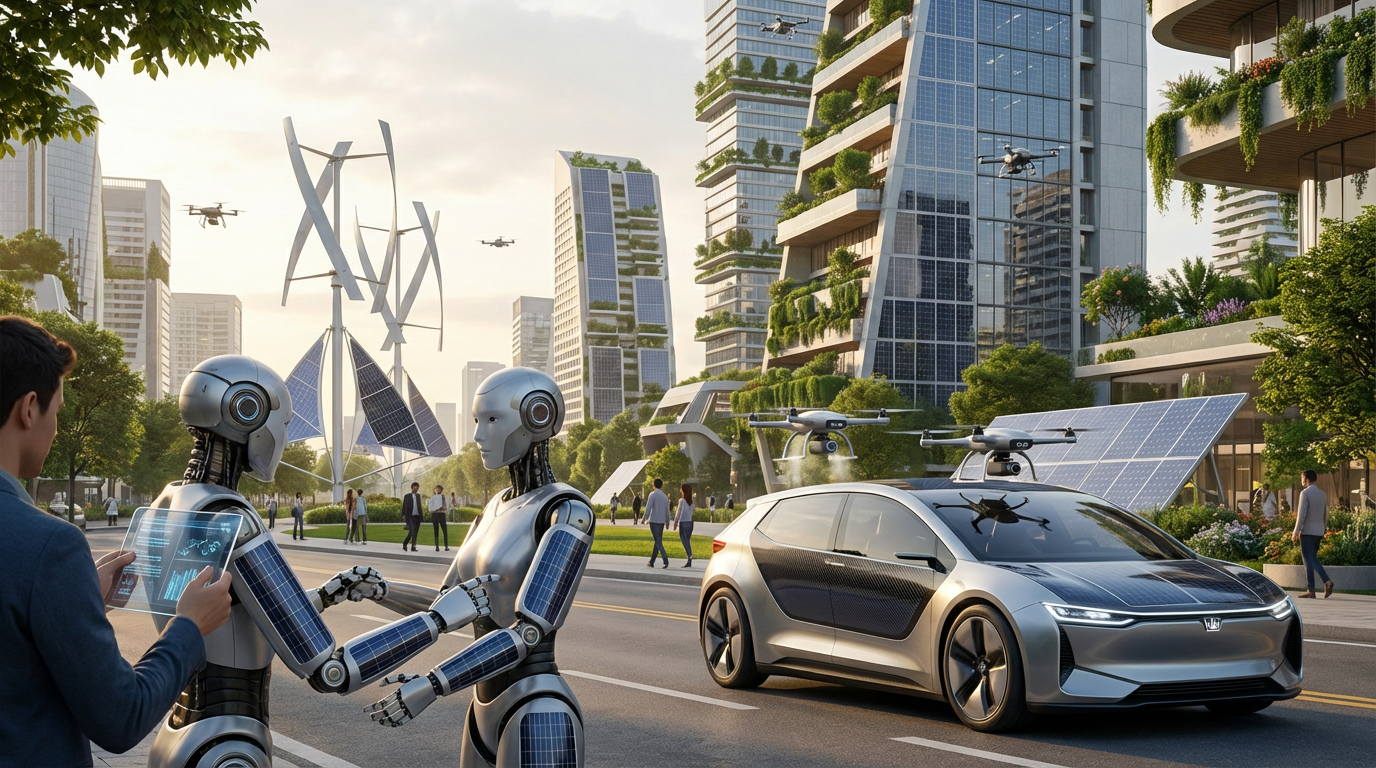
Artificial intelligence has grown far beyond its early role as a simple automation engine. Among the defining technology trends of 2026, AI's transformation into a genuine collaborative partner stands out most dramatically. Today's AI systems leverage advanced machine learning algorithms to analyse vast datasets in real time, enabling faster and more informed decision-making across virtually every sector. Nowhere is this more evident than in healthcare, where AI-driven predictive analytics are enabling early disease detection and hyper-personalised treatment plans tailored to individual genetic profiles. In education, adaptive learning platforms powered by AI are reshaping how students absorb knowledge — meeting each learner at their own pace and ability level. As these systems grow more sophisticated, they are not merely augmenting human effort: they are fundamentally redefining what human-machine collaboration looks like.

Quantum Computing — Unlocking the Impossible
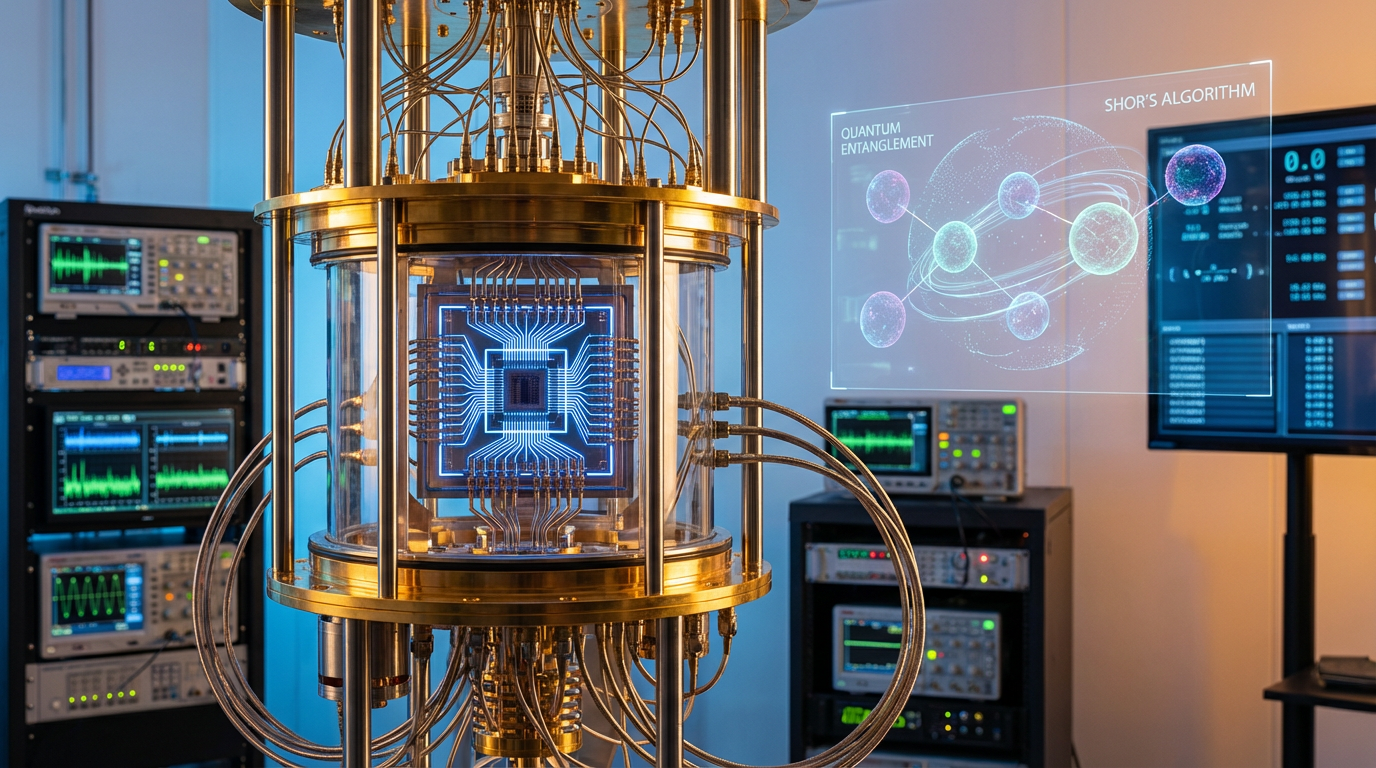
For decades, quantum computing existed largely in the realm of theoretical research — a tantalising concept too complex to translate into practical application. That era is decisively over. As one of the most consequential emerging technologies of 2026, quantum systems are beginning to tackle problems once considered insurmountable: optimising global supply chains, accelerating drug discovery pipelines, advancing climate modelling, and pushing the boundaries of materials science and cryptography. The sheer speed at which quantum computers process information dwarfs anything classical computing can offer, and industries from finance to pharmaceuticals are racing to harness that potential. The ripple effects of this technology will be felt for generations, as solutions to some of humanity's most complex challenges move from theoretical possibility to practical reality.
Biotechnology — Rewriting the Code of Life
Biotechnology in 2026 stands at the threshold of a genuine revolution. CRISPR and next-generation gene editing technologies have matured to the point where customised, targeted treatments for genetic disorders are no longer a distant promise but an emerging clinical reality. Synthetic biology is opening new pathways in sustainable agriculture, offering the potential to engineer crops that are more resilient, nutritious, and resource-efficient. Personalised medicine — treatments designed around an individual's unique genetic makeup rather than generalised population data — is transitioning from a niche concept to a mainstream expectation. These breakthroughs carry profound implications, not just for human health, but for how societies think about life, identity, and our relationship with the natural world.

Decentralized Technologies — Rebuilding Trust in the Digital Age
As digital transactions become the backbone of global commerce, the question of trust has never been more urgent. Blockchain and other decentralised technologies are rising to meet that challenge, offering new paradigms for transparency, security, and accountability that traditional centralised systems simply cannot match. By removing the need for intermediaries and encoding verification directly into the transaction process, these technologies are creating more resilient financial systems and supply chains. The convergence of blockchain with AI is particularly promising — enhancing security protocols and enabling smarter, more tamper-resistant digital ecosystems. In a world increasingly defined by digital interaction, decentralised infrastructure may prove to be one of the most quietly consequential technology trends 2026 has produced.

Smart Cities and the IoT — A More Connected World
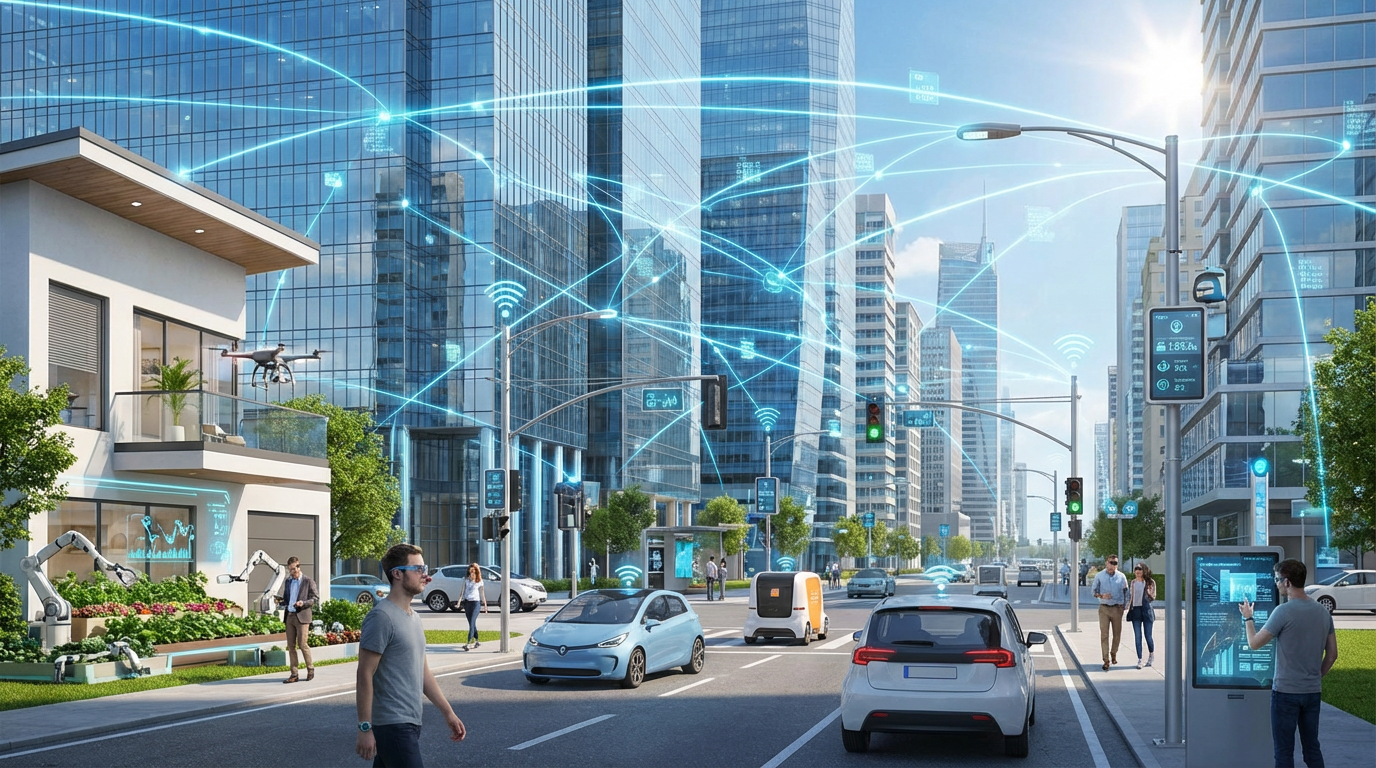
The widespread rollout of 5G networks is acting as a catalyst for an Internet of Things ecosystem that was, until recently, constrained by bandwidth and latency limitations. In 2026, billions of interconnected devices are communicating at unprecedented speeds, forming the nervous system of a new generation of smart cities. Traffic management systems respond dynamically to real-world conditions, energy grids self-optimise based on consumption patterns, and public infrastructure anticipates maintenance needs before failures occur. Inside the home, smart devices are integrating more seamlessly than ever, creating environments that adapt to the preferences and routines of their occupants. This hyper-connected landscape is not just about convenience — it represents a fundamental shift toward more efficient, sustainable, and responsive urban living.
Ethics, Privacy, and the Road Ahead
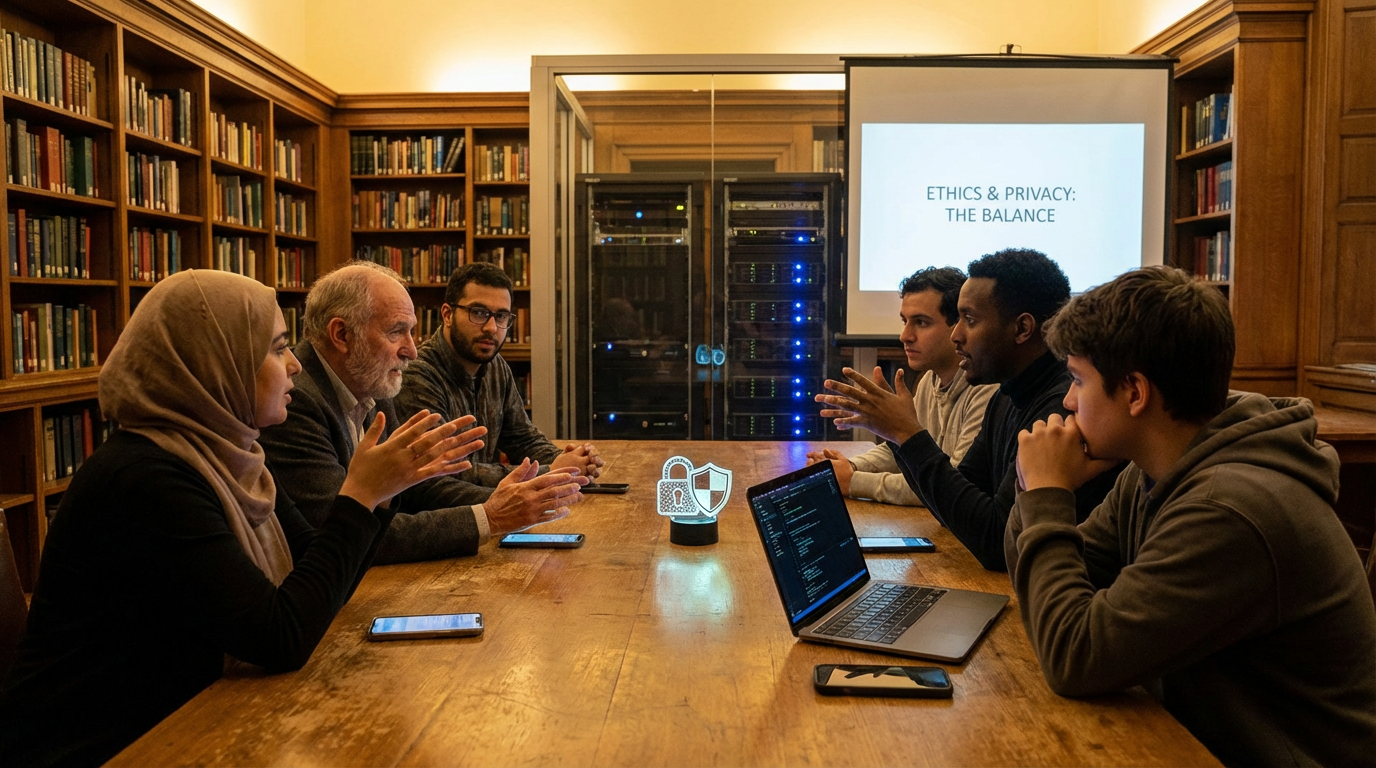
The extraordinary promise of these converging technology trends in 2026 comes paired with challenges that society must confront with equal seriousness. Questions of data privacy, algorithmic bias, equitable access, and the future of work are not peripheral concerns — they are central to how these technologies will ultimately be judged by history. The power to edit genomes, process vast personal datasets, and automate complex decision-making carries enormous responsibility. Without thoughtful regulation and governance frameworks, the benefits risk being unevenly distributed or actively harmful. Policymakers, technologists, ethicists, and communities must work in genuine collaboration to ensure that the digital frontier being built in 2026 serves humanity broadly — not just those with the resources to exploit it. Progress without conscience is not progress at all.
Conclusion — The Future Is Now
As 2026 unfolds, the story is clear: technology trends 2026 are no longer confined to labs and speculative fiction — they are active agents reshaping how we live, work, and solve the world's hardest problems. Artificial intelligence has evolved from a task automator into a collaborative partner that augments human creativity and decision-making, while quantum computing is opening computational frontiers that accelerate discovery across medicine, materials science, climate research, and secure communications. Together, these advances are transforming industries from healthcare and education to logistics and energy. These opportunities come hand in hand with responsibility. Questions of ethics, equity, privacy, and security — already urgent in AI — are amplified by the disruptive potential of quantum computing, gene editing, and decentralised systems. Society must pair technical progress with robust governance, transparent standards, and investment in workforce reskilling, so that benefits are widely shared and harms are minimised. The path forward is interdisciplinary and deliberate: technologists, policymakers, educators, businesses, and communities must collaborate to set clear guardrails, foster inclusive access, and prioritise human-centred design. If we steward these powerful tools thoughtfully, the coming years can deliver not only unprecedented capabilities but more resilient, equitable outcomes for all. The future is now — and it's ours to shape responsibly.
Revision. 26 04 20 11 28